Estimates & scope
A helpful estimate begins with a shared understanding of the work. If two contractors receive different descriptions, their totals may represent different projects. Prepare one concise brief, then compare the details behind each proposal.
1. Describe the result you want
Start with the room or problem, your three priorities, and anything you want to keep. Include photos of the current space and clearly label inspiration images. Add your property’s town, preferred timing, and an investment range if you have one.
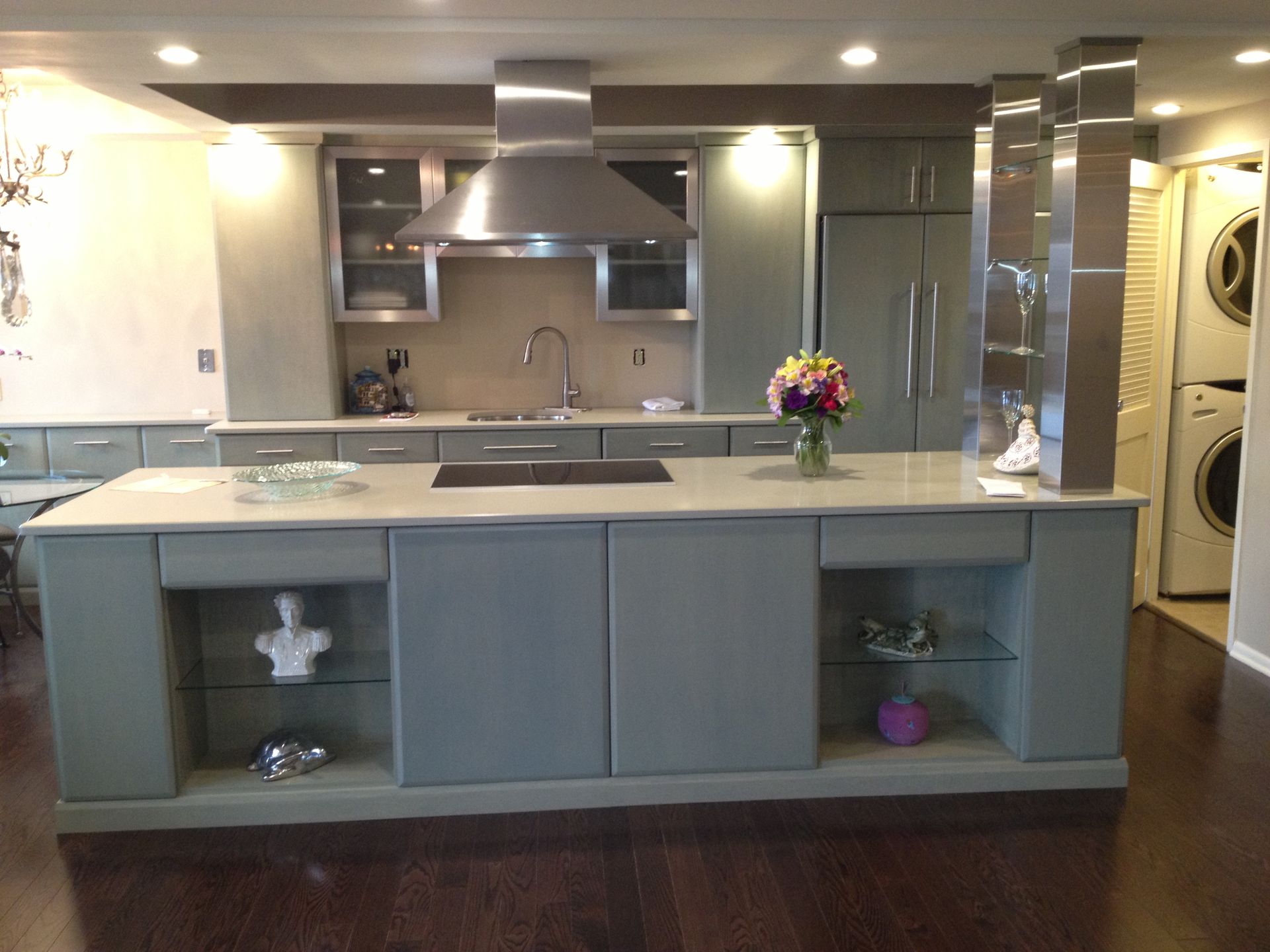
For example: “We want to update our kitchen, improve pantry storage, and keep the current appliance locations. We are open to countertop options and would like to discuss timing.” This gives an estimate conversation a useful direction without pretending every decision is final.
2. Compare the included work
Read each written scope alongside the others. Look for demolition, disposal, preparation, installation, finishing, and any related work being proposed. Identify who supplies each product and whether exact models or allowances are listed.
The FTC’s home improvement guidance recommends written estimates that describe the work, materials, completion date, and price. Use those elements as a starting point for your comparison and clarify gaps before committing.
3. Ask about uncertainty and exclusions
Some conditions cannot be fully assessed until the space is inspected or existing finishes are opened. Ask what assumptions the estimate makes, what is excluded, and how unexpected conditions would be addressed. Confirm how proposed changes and their effect on price or timing will be documented.
Check whether approvals, specialist work, product delivery, and preparation tasks are included or handled separately. A lower total may simply cover less work. Conversely, a more expensive option may include upgrades you do not need. Bring both proposals back to the same list of priorities.
4. Keep the decision grounded in your project
Ask questions in writing and retain the answers with the estimate. Review the proposed schedule and payment terms, confirm the contractor’s relevant qualifications and insurance, and understand the agreement before signing. This guide is a planning aid; the written agreement defines your particular project.
- Does the scope match your priorities?
- Are materials and product responsibilities clear?
- Are exclusions and assumptions explained?
- Is there a process for changes?
- Are timing, preparation, and next steps understood?
Ready to start? Request a free estimate from NexGen Property Care with your town and a short project description. You can also explore our kitchen, bathroom, and home office services before deciding what to include.