SEASONAL PLANNING
Before colder weather becomes part of the daily routine, give your windows and exterior doors a closer look. A fall check can help you describe a draft, spot a recurring wet area, or identify a door that no longer closes smoothly. You do not need to decide on replacement windows before understanding the problem.
For homeowners in Townsend, Middletown, Odessa, and nearby Delaware communities, the useful starting point is a room-by-room record of how the house behaves. This guide focuses on accessible observations and the questions to take into a repair conversation.
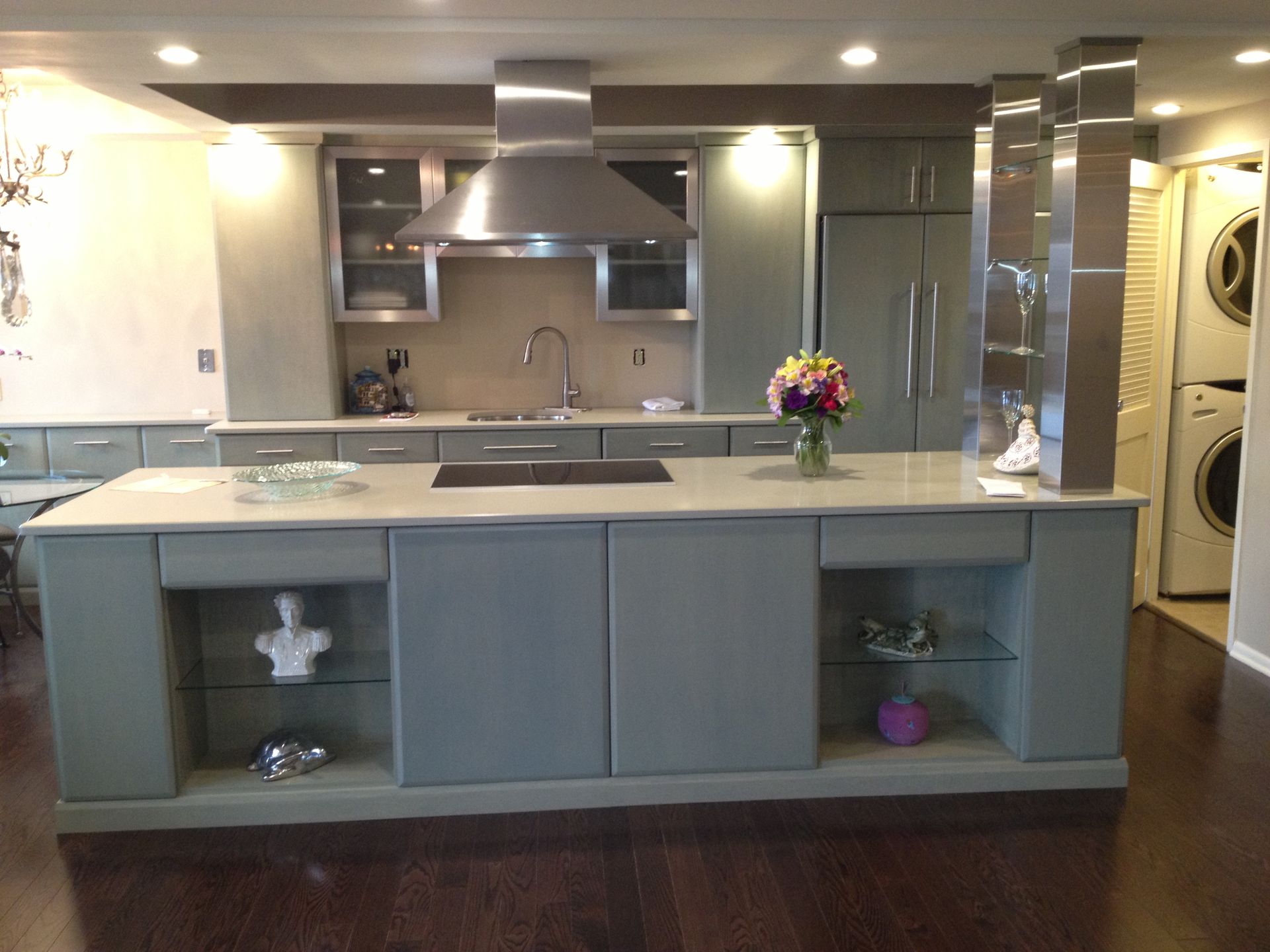
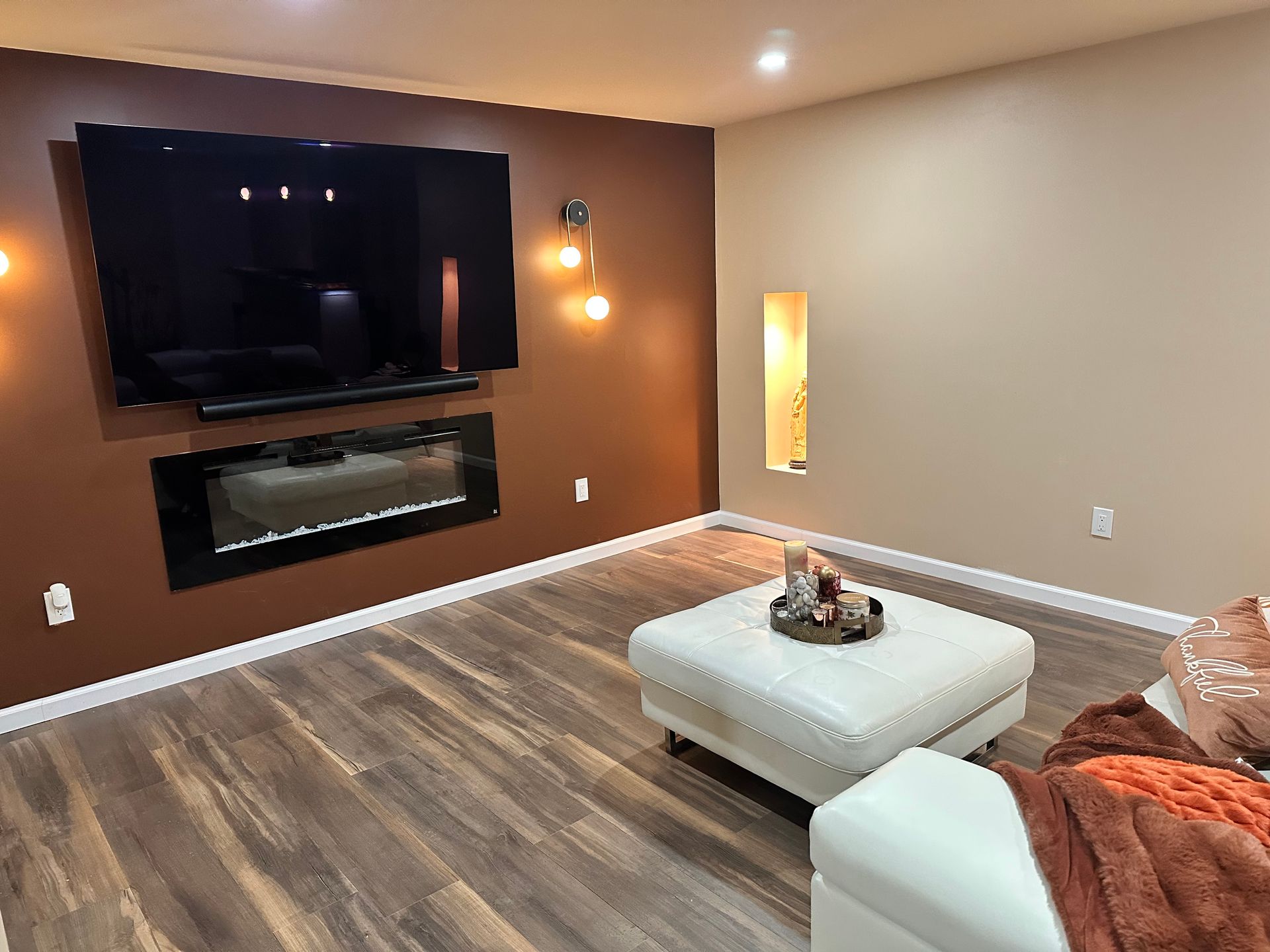
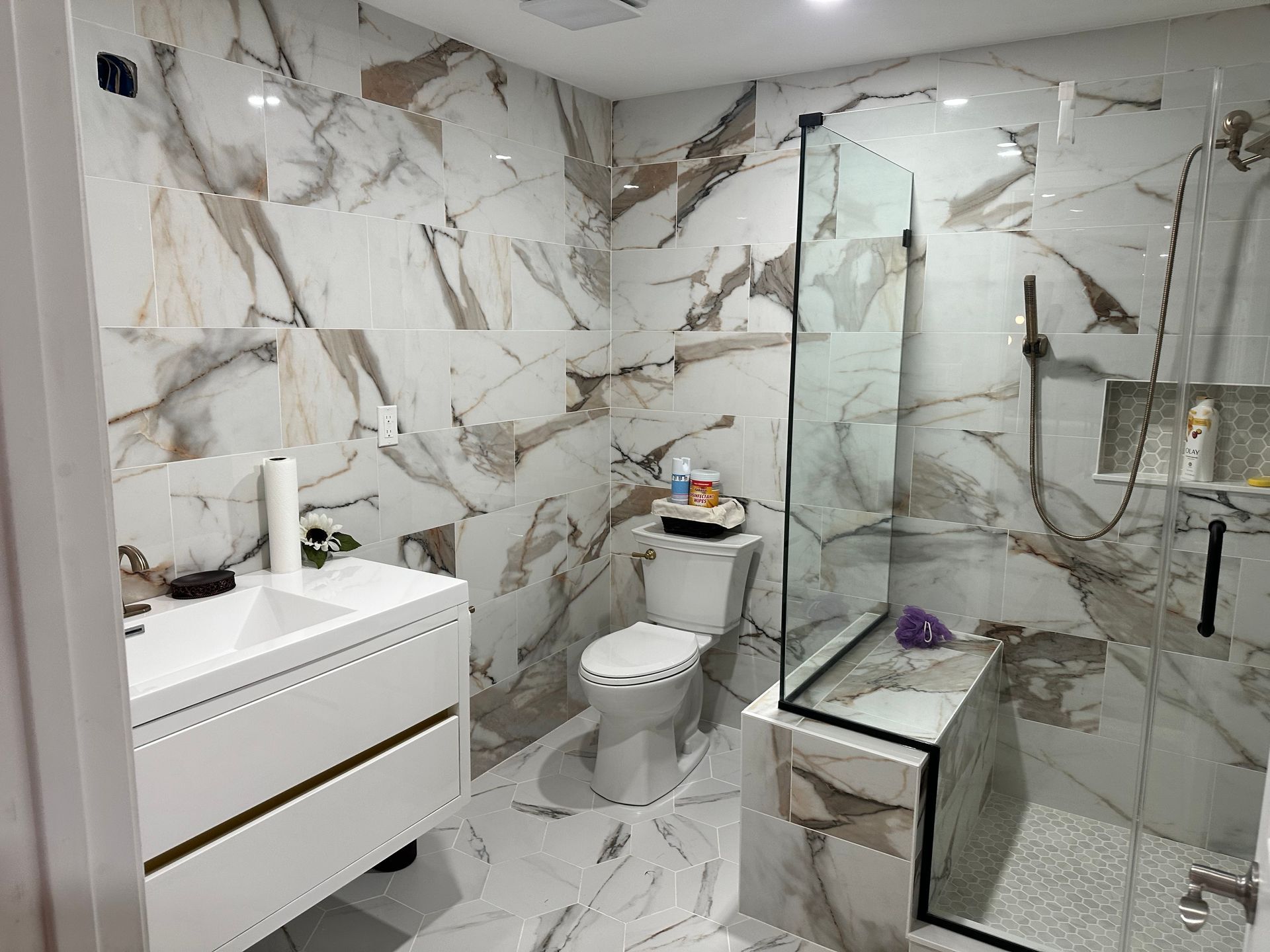
Photo: a finished window area from the NexGen project gallery, shown for interior-detail inspiration.
1. Check how each window and door operates
Start with the openings you use every day. Open and close them normally, without forcing a stuck part. Note whether a window stays in position, a latch lines up, or an exterior door rubs against the frame. Look at visible weatherstripping for loose, missing, or flattened sections. Record the location rather than ordering a replacement product immediately.
Be specific about when the problem happens. Does the back door catch only after wet weather? Is the bedroom window difficult to lock all year? A short note about the pattern helps distinguish a persistent operating problem from an occasional one. If an opening cannot be used safely, stop testing it and arrange an appropriate assessment.
2. Separate a draft from a guess about its cause
While windows and doors are closed normally, notice where you feel moving air and whether it changes with wind. Write down the side, corner, or threshold involved. A room that feels cold does not, by itself, tell you which component needs work. Avoid covering every visible opening with sealant before identifying its purpose.
The U.S. Department of Energy's air-sealing guide explains that leaks can occur beyond windows and doors, and that air sealing needs to be considered alongside ventilation. For persistent drafts or a broader efficiency project, ask whether a professional home energy assessment would help. Do not block ventilation openings or alter fuel-burning appliance vents as part of a casual draft check.
3. Treat moisture as its own question
Look for visible dampness, recurring condensation, peeling finishes, or stains near the opening. Photograph the whole area and a close-up, then add the date and conditions: after rain, first thing in the morning, or following a shower. These observations are useful clues, not a diagnosis. Do not remove trim or wall coverings simply to investigate a suspicious patch.
The EPA's moisture guide recommends addressing the water source, drying wet areas promptly, and avoiding painting or caulking over moldy surfaces. It also advises using an experienced professional when hidden mold is suspected. A cosmetic finish repair should follow an assessment of an unresolved moisture problem, rather than be treated as proof that the cause is fixed.
4. Ask what can be maintained before choosing replacement
Bring a few focused questions to the conversation: Is the issue with operation, a seal, surrounding trim, or something that needs further investigation? What condition can be confirmed now? Which work is included, and which parts may need a specialist? Ask how the proposed repair will be checked when it is finished.
If replacement is suggested, ask why a smaller repair would not meet the need. Compare the proposed scope, product details, finish work, and exclusions. Keep any manufacturer information you already have; it may help identify suitable parts and care instructions. Our guide to comparing renovation estimates can help you organize those questions.
5. Make a short fall follow-up list
Keep one entry per opening so you can revisit the same observation after work or a change in weather. A useful entry includes:
- The room and exact window or door.
- What you observed and when it happens.
- One overall photo and one detail photo.
- Known product information or previous repair notes.
- The question you want answered before approving work.
Ready to discuss the details? Explore NexGen's property maintenance services and request an estimate with your property's town and a short description. NexGen is based in Townsend, Delaware, with a local focus of about 30 miles; projects up to 50 miles are considered by location and scope. These are approximate distances, and availability is confirmed for the property.